
All solutions
Edge Compute & Heat Recovery
Powering intelligence. Recovering heat. Creating more value.
We turn available electrical capacity into computing services and recover the resulting heat for useful applications.
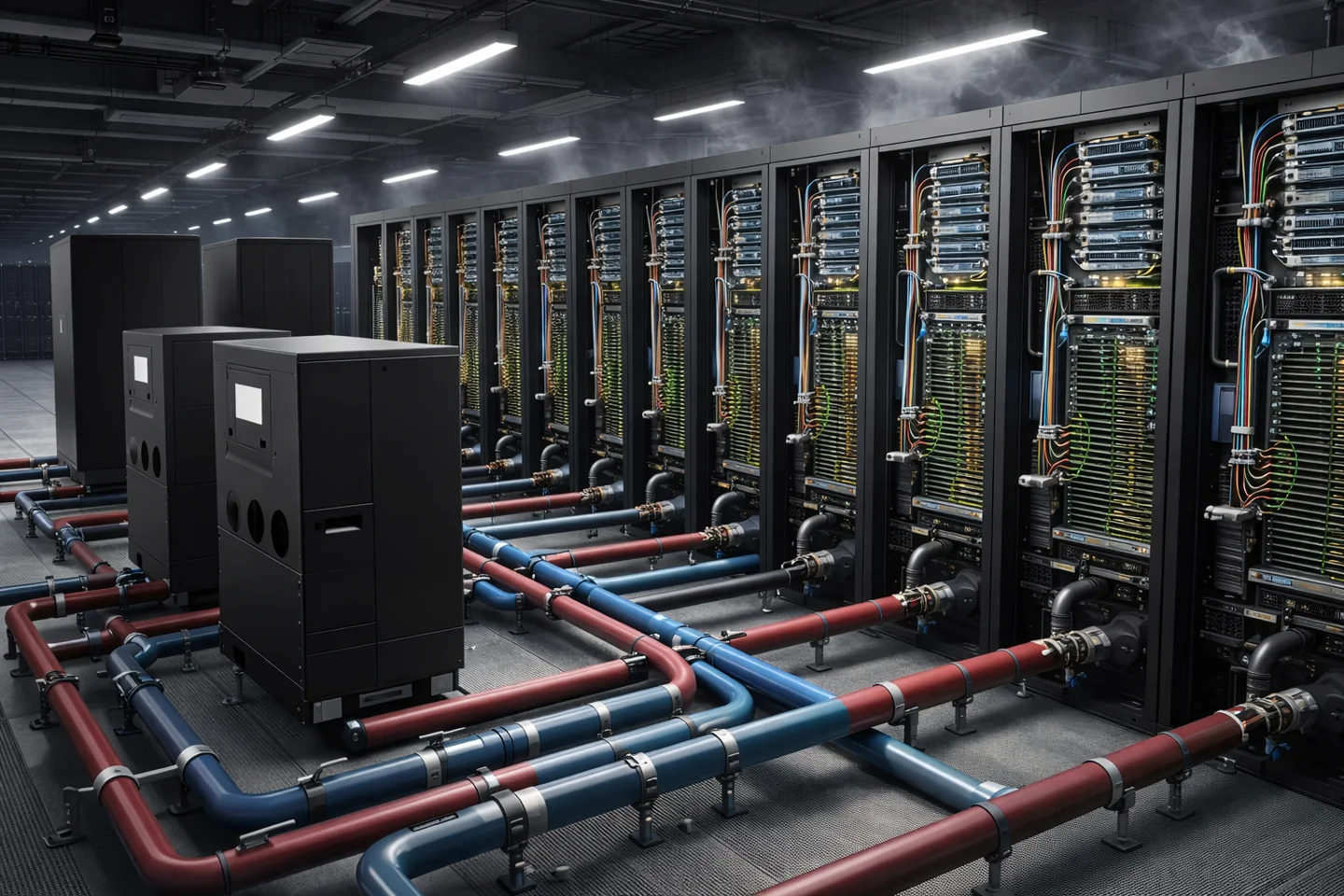
Artificial intelligence and advanced digital services are driving demand for high-performance computing. Meanwhile, new computing infrastructure can face significant electricity costs, cooling requirements and grid connection constraints.
Nodez Energy combines battery storage, distributed computing and heat recovery to create a more integrated approach.
By deploying modular GPU and CPU infrastructure alongside suitable energy assets, we aim to monetise available electrical capacity through computing services and recover useful heat for host buildings.
The result is a model in which stored energy supports computing, computing generates heat, and recovered heat can contribute to hot water and space heating.
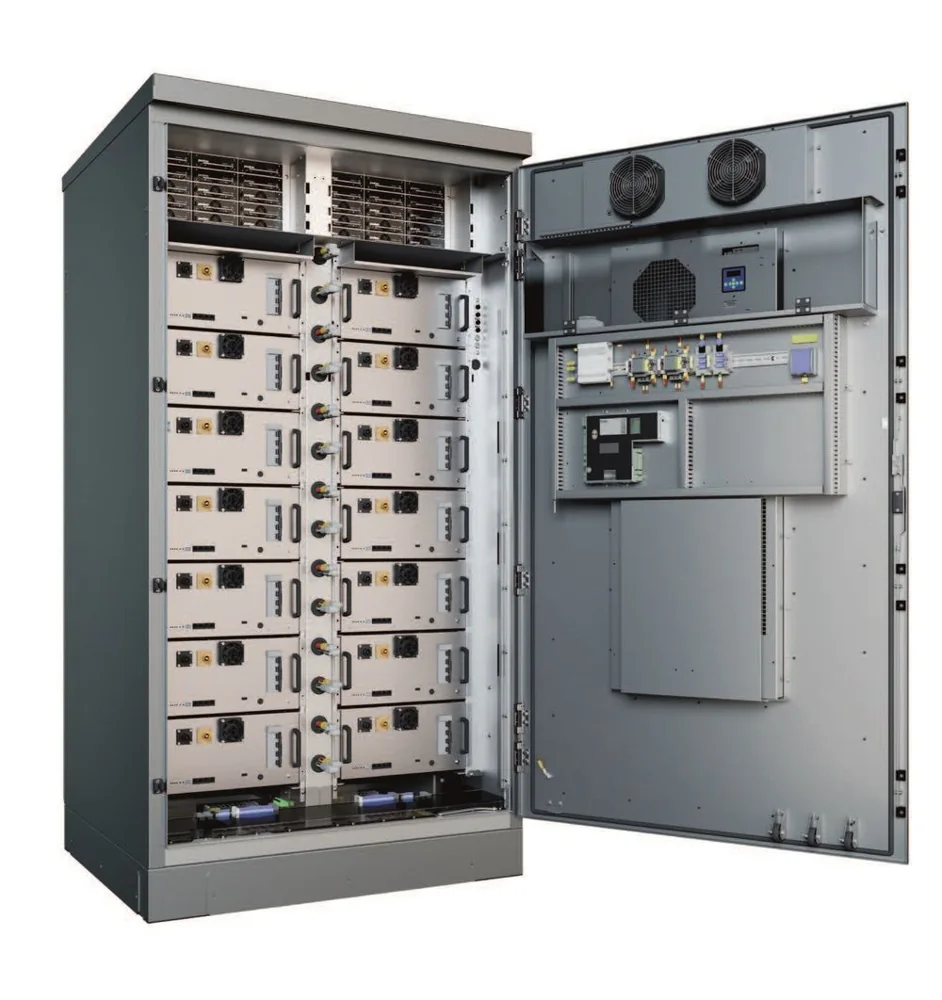
Edge computing brings processing capacity closer to the applications, users or data that need it. For suitable workloads, distributed computing can support responsive processing, regional data handling and flexible capacity.
Nodez aims to combine this capability with distributed battery infrastructure, allowing suitable locations to become productive computing nodes.
High-performance GPU and CPU computing
Provide computing capacity for suitable AI inference, rendering, video processing, analytics and scientific workloads.
Energy-aware computing
Coordinate workloads with available electrical capacity, battery state of charge, site requirements and relevant market commitments.
Integrated heat recovery
Capture server heat and transfer it through a suitable heat exchanger or heat pump arrangement to support building heating and hot-water demand.
02 / Edge Compute & Heat Recovery
Monetising available power through computing
Where a site has sufficient electrical capacity and a suitable connection, computing offers an additional way to create value from available energy.
Nodez aims to offer computing capacity through appropriate commercial models, including metered usage, reserved capacity or managed computing services.
Potential applications include:
- AI inference: Running trained models for intelligent applications, analysis and automated processing.
- Rendering and media: Providing GPU resources for visualisation, animation and video workloads.
- Scientific and technical computing: Supporting suitable simulations, research and data analysis.
- Compute-as-a-Service: Making GPU and CPU capacity available to customers that need flexible computing resources.
Our commercial model will depend on customer demand, hardware capabilities, connectivity, utilisation, service reliability and operating costs.
03 / Edge Compute & Heat Recovery
Intelligent energy meets intelligent computing
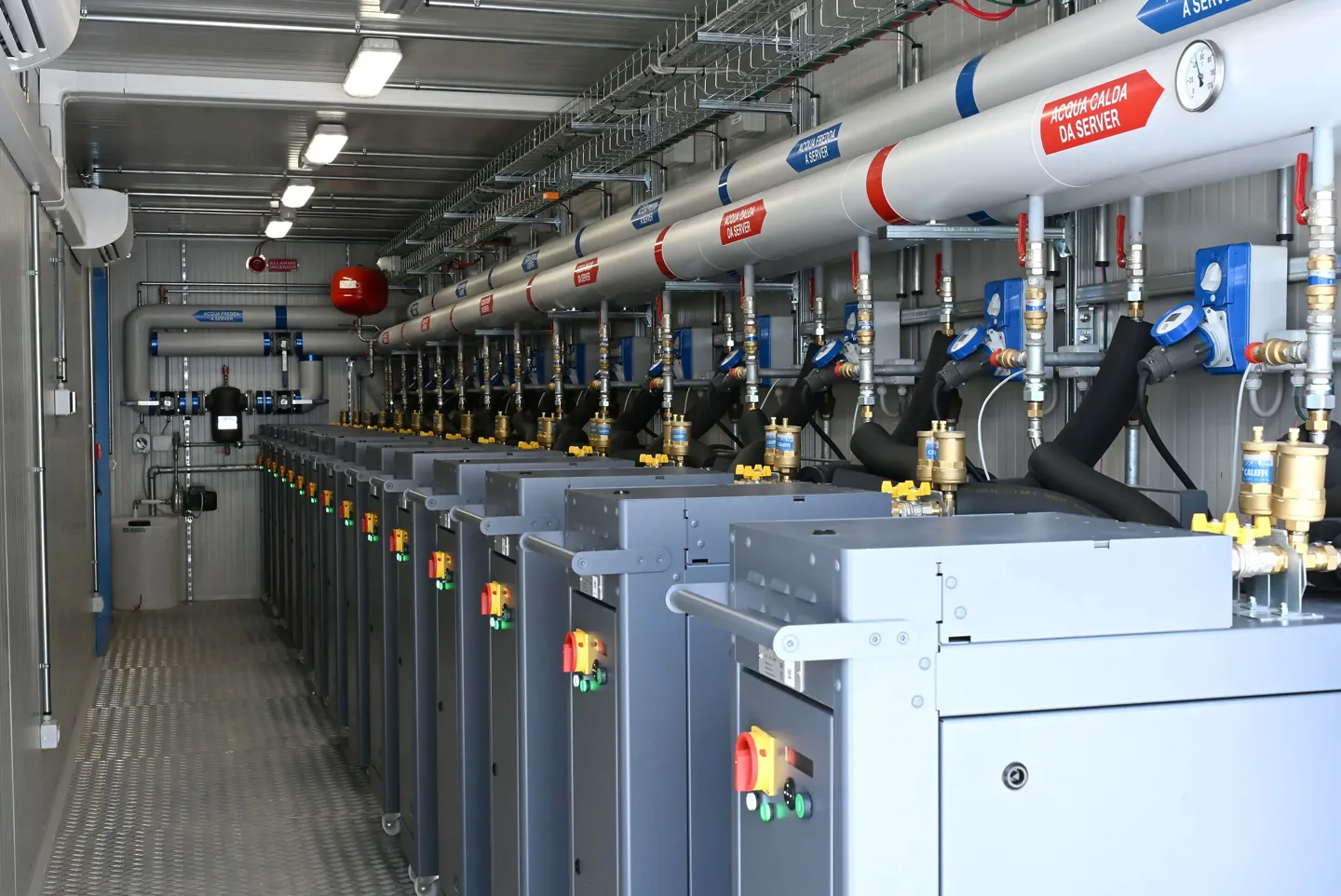
Not every computing workload has the same requirements. Some tasks must run immediately, while others can be scheduled within a flexible time window.
Where customer agreements allow, Nodez aims to coordinate computing activity with electricity prices, battery availability and energy market commitments.
The platform can assess:
- Electricity prices and forecasts.
- Battery state of charge and available power.
- Workload deadlines and service requirements.
- Server power consumption and utilisation.
- Cooling requirements and thermal demand.
- Battery degradation and overall operating costs.
This approach is intended to improve the economics of both the energy and computing infrastructure, without compromising customer commitments or safe operation.
04 / Edge Compute & Heat Recovery
Recover the heat. Reduce waste. Support buildings.
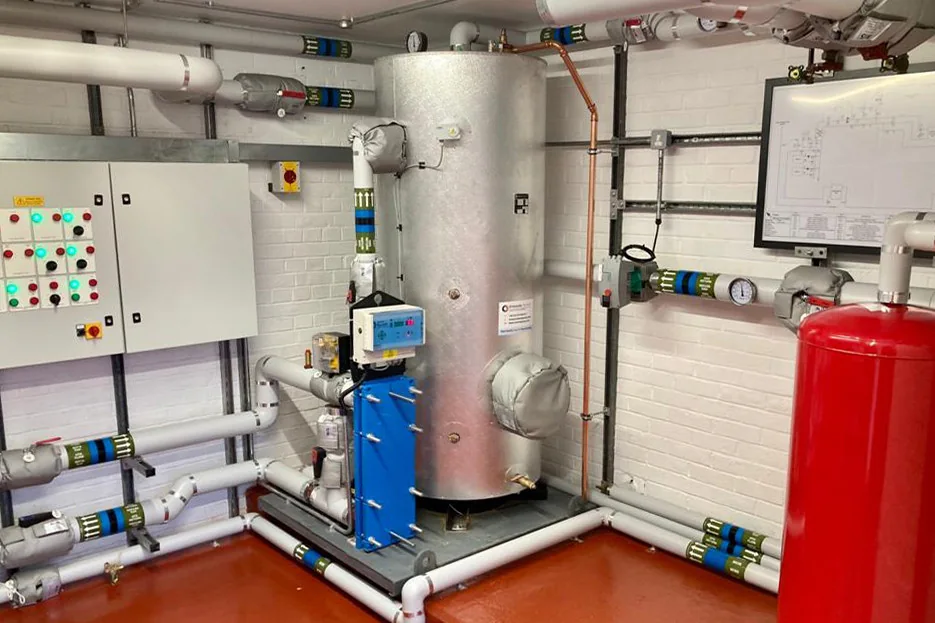
Computing equipment converts much of the electricity it consumes into heat. Traditionally, this heat is removed by cooling systems and released into the surrounding environment.
Nodez aims to capture a useful proportion of that thermal energy and redirect it towards applications within the host building.
Our principle: use the electricity for computing, then recover the heat wherever it can provide a practical benefit.
How the heat recovery system works
1. Servers generate heat
GPUs and CPUs produce heat during operation.
2. Capture the heat
Liquid cooling or controlled airflow transfers heat into a recoverable stream.
3. Transfer heat through a heat exchanger
Thermal energy is transferred to a separate water or heating circuit.
4. Supply useful heat
Preheat hot water, contribute to space heating or support a heat pump.
Domestic hot water and building heating
Preheating hot water
A heat exchanger transfers server heat into a separate water circuit or thermal store, preheating water before it reaches the building's existing hot-water system.
Supporting space heating
Where the recovered heat reaches a suitable temperature, it can contribute directly to a building's heating system. A heat pump can raise the temperature where additional heat is required.
Integrating with air-source heat pumps
At suitable sites, recovered server heat can be integrated into the heat pump system using a properly engineered airflow arrangement, heat exchanger or thermal circuit. This may improve operating efficiency under appropriate conditions, but the achievable COP depends on the design and actual operating temperatures.
Reducing cooling demand
Recovering heat at source can reduce the amount of thermal energy that must be rejected by conventional cooling systems, subject to the site's heat demand and cooling configuration.
Designed around each building
Every site has different requirements. Nodez will assess the building's heating system, available heat, electrical capacity and expected computing demand to determine the appropriate design.
Factors include:
- Existing air-source heat pumps and boilers.
- Domestic hot-water requirements.
- Seasonal heating demand.
- Server temperatures and cooling architecture.
- Heat exchanger capacity and pipework requirements.
- Thermal storage and backup heating.
- Installation costs and expected energy savings.
Our goal is to create practical, site-specific systems that make productive use of recovered heat.
05 / Edge Compute & Heat Recovery
One integrated platform. Three sources of value.
Energy storage
Manage electrical capacity and capture energy market opportunities.
Computing
Monetise suitable GPU and CPU resources.
Heat recovery
Supply useful thermal energy to host buildings.
Intelligent control
Coordinate energy, computing and heat demand.
Let’s build the next step
Make your energy work harder.
We welcome enquiries from property owners, developers, commercial estates, AI businesses and technology partners.
Start a Partnership Conversation