
All solutions
Circular Batteries
Give batteries a second life. Give energy a new purpose.
We transform suitable end-of-life EV batteries into productive stationary energy storage assets.
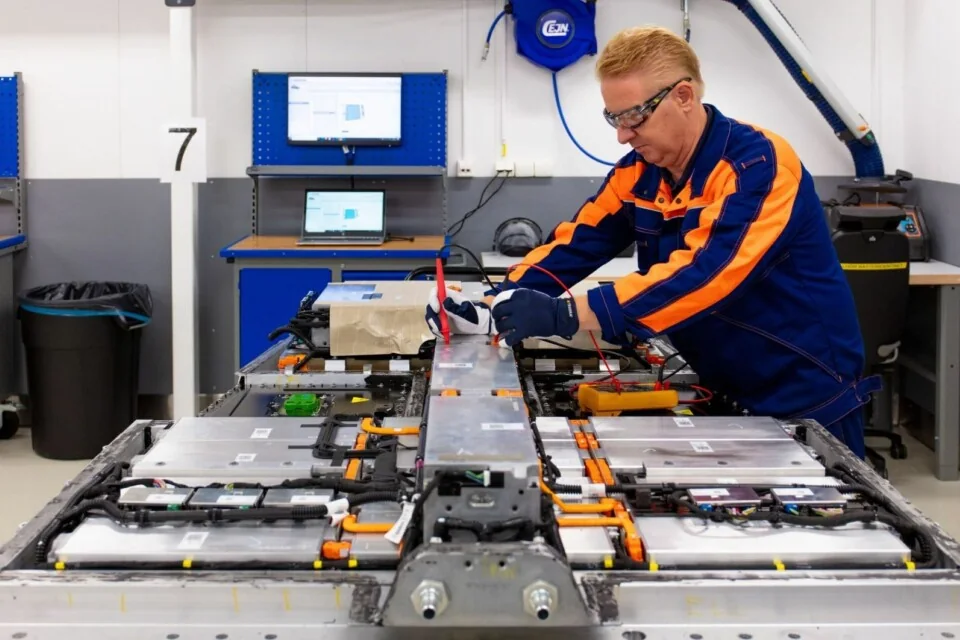
Electric vehicles are changing transport, but the industry must also address what happens when their batteries are no longer suitable for automotive use.
A battery that has lost some of its original capacity may still have considerable potential for stationary storage. Yet without appropriate testing, refurbishment and deployment, this remaining value can be overlooked.
Nodez Energy is developing a circular battery model that identifies suitable batteries, assesses their condition and repurposes viable modules for energy storage.
By extending battery life before material recovery becomes necessary, we aim to reduce the need for new storage materials, lower infrastructure costs and support a more circular energy economy.
01 / Circular Batteries
The growing opportunity in retired EV batteries
Battery manufacturing requires energy, raw materials and complex supply chains. As the number of electric vehicles grows, responsible battery lifecycle management becomes increasingly important.
Not every battery retired from a vehicle is suitable for reuse. Some are damaged, degraded or uneconomic to refurbish. Others may retain enough usable capacity and predictable performance to serve a second purpose.
Traditional material recycling, including black-mass processing, can recover valuable resources. However, commercial viability depends on battery chemistry, feedstock quality, recovery rates, commodity prices and processing costs.
Nodez focuses on the opportunity to preserve functional value where it makes technical, environmental and commercial sense.
- Source suitable battery modules
Establish relationships with EV dismantlers, fleet operators, battery suppliers and end-of-life vehicle specialists.
- Test, grade and assess
Evaluate battery history, physical condition, capacity, internal resistance and other relevant electrical and safety characteristics.
- Repurpose for stationary storage
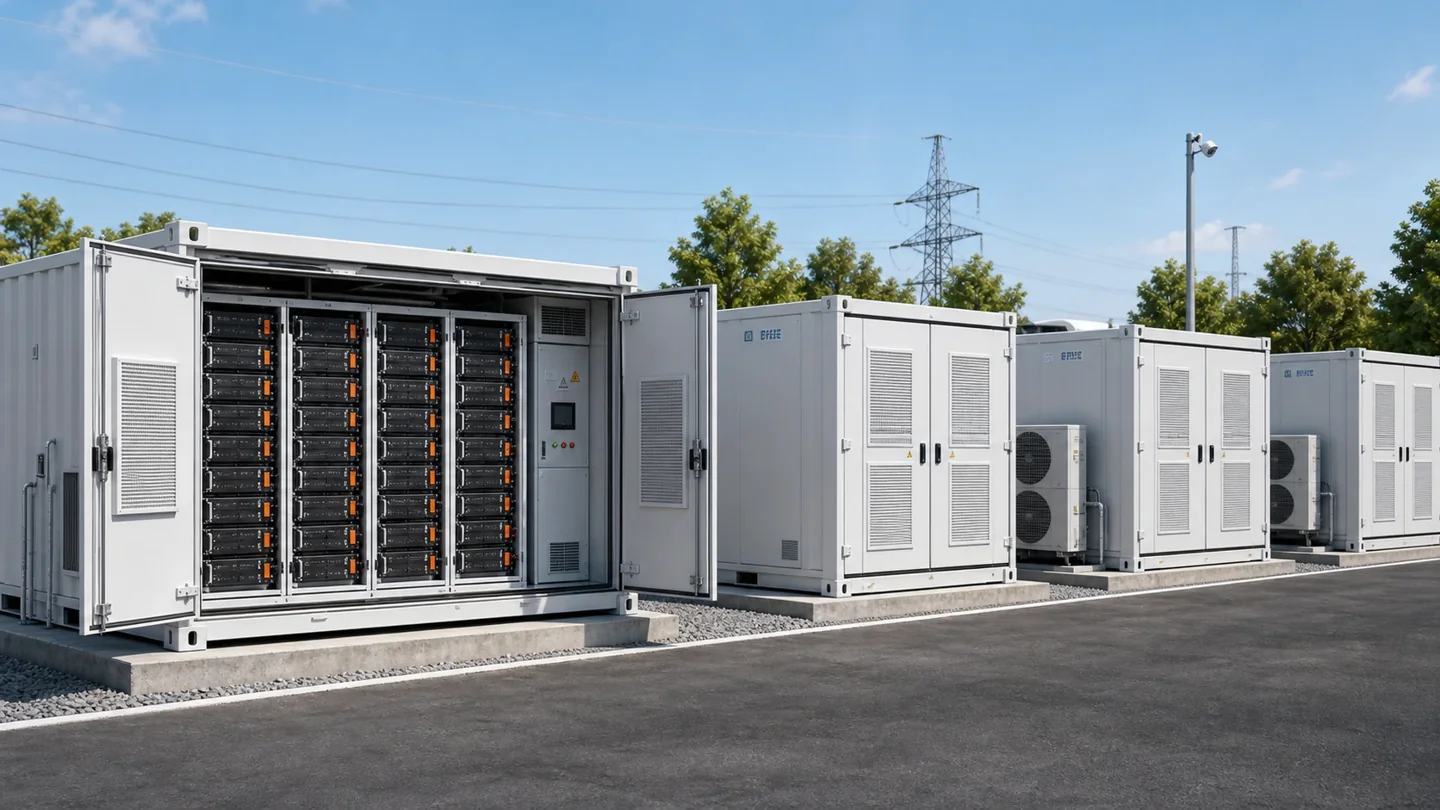
Integrate suitable modules into engineered systems with appropriate battery management, protection, thermal monitoring and control.
- Deploy and monitor performance
Use battery storage to support energy optimisation, eligible grid services and other applications while monitoring performance and degradation.
- Recycle at the end of second life
Where reuse is no longer safe or economically justified, send batteries through appropriate compliant recovery and recycling routes.
03 / Circular Batteries
Why circular battery storage matters
A lower-cost route to storage
Suitable second-life batteries may cost less than new equivalents, helping reduce the capital required to deploy distributed energy infrastructure.
Reduced demand for new materials
Extending battery service life can defer the manufacture of replacement storage capacity and reduce demand for newly produced battery cells.
A more circular economy
Reuse retains functional components in service, while material recycling remains essential for recovering resources at the end of a battery's useful life.
Safety-led engineering
Traceability, appropriate grading, electrical protection and ongoing monitoring help ensure that only suitable batteries enter stationary storage systems.
A battery contains embedded energy and materials from its original manufacturing process. Where it can safely serve another application, extending its useful life may avoid or defer the production of replacement batteries.
The environmental benefit depends on the full lifecycle, including transport, testing, refurbishment, operational efficiency, replacement components and eventual recycling.
Nodez aims to evaluate these benefits against a credible baseline rather than rely on generic carbon-saving claims.
05 / Circular Batteries
From circular batteries to productive energy assets
Our battery strategy connects directly to the wider Nodez platform. Suitable installations can potentially:
- Store electricity during low-price periods.
- Capture value through energy arbitrage.
- Support qualifying grid balancing and DNO flexibility services.
- Reduce peak electricity consumption at host sites.
- Supply electrical capacity for edge computing.
- Support heat recovery through integrated computing infrastructure.
This creates the opportunity to extract more economic value from each battery throughout its useful life.
Let’s build the next step
Build the circular energy economy with us.
We welcome enquiries from battery suppliers, automotive dismantlers, fleet operators, recycling specialists and host-site partners.
Discuss a Battery Partnership